Hvar Travel Guide: Towns, History and Sailing the Island

Hvar is one of the most diverse islands in the Adriatic, and the best way to understand it is to explore its towns, trails and hidden bays separately. This guide brings everything together in one place.

Hvar is often introduced through a single lens. Sun, nightlife, yachts and summer crowds. While none of that is entirely false, it tells only part of the story.

Beyond the busy harbor and well-known beaches, Hvar is an island of small villages, inland landscapes, quiet coves and a pace of life that changes dramatically depending on where, and how, you explore it.

We’ve spent years getting to know the island differently – sailing its coastline, anchoring in calm coves, walking old village paths, and returning to the places where everyday life still feels unchanged.

This guide is designed to offer orientation rather than a checklist. Whether visiting for a few days or staying longer, understanding Hvar’s different layers helps shape a far more meaningful experience.

1. Hvar Town Guide - Energy, Culture and Food

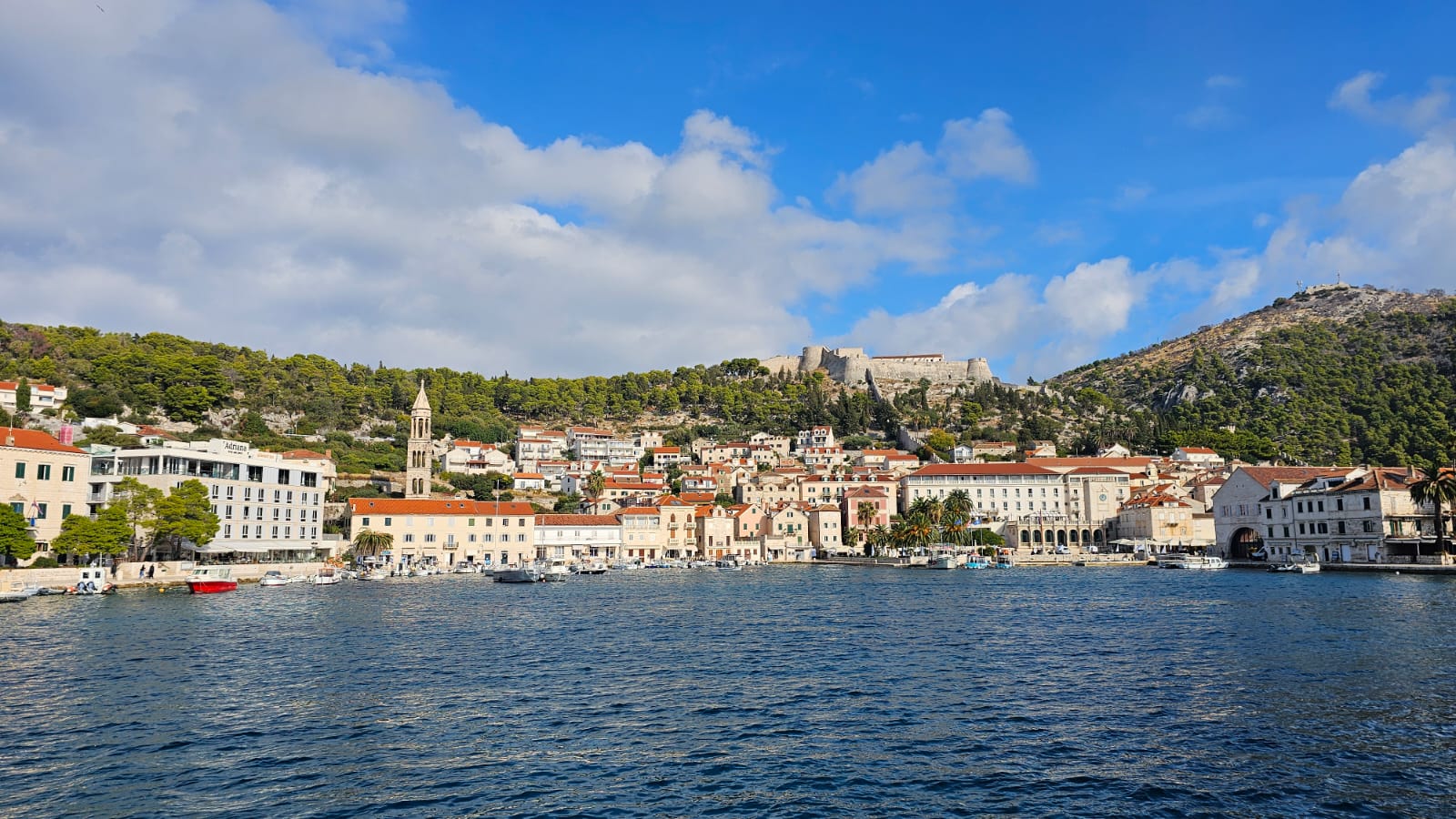
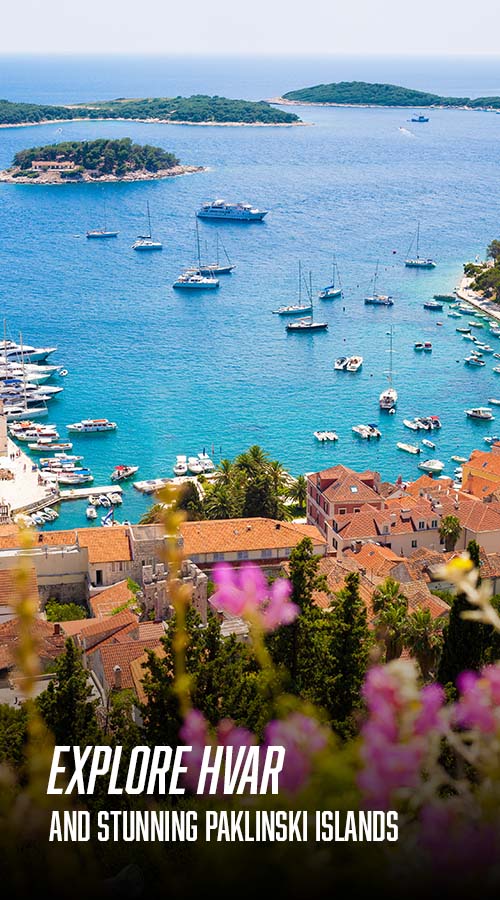
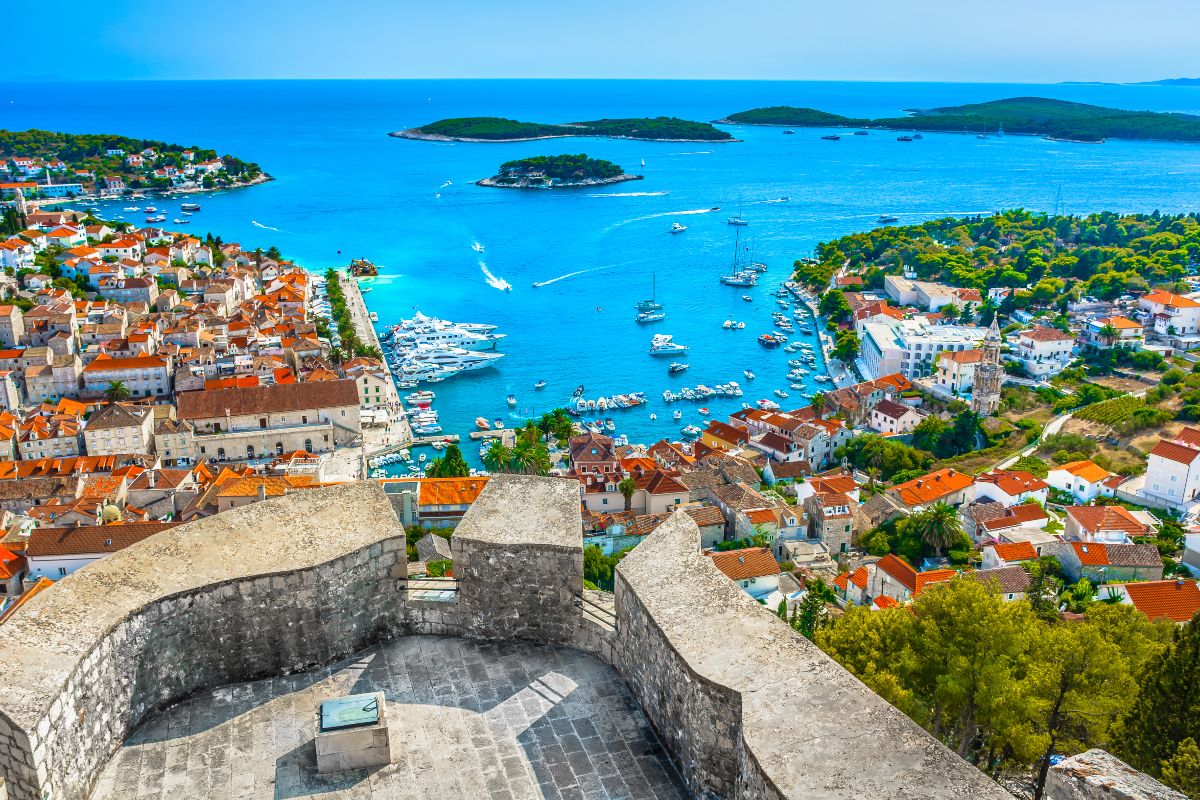
Hvar Town is where the island’s past and present meet most naturally. Stone streets open into lively piazzas, historic landmarks sit beside small galleries, and long lunches by the sea are simply part of the rhythm.

Step away from the busy harbour and the town quickly softens. Shaded alleys, local cafés, morning markets and short uphill walks lead to some of the best viewpoints in Dalmatia. If you’re looking for atmosphere, food and a sense of constant movement, this is where Hvar hums.

👉 Read the full guide: Hvar Town Guide: Our Favourite Things to See, Eat & Experience

2. Old Town Hvar (Stari Grad) - Time, Tradition and UNESCO Landscapes

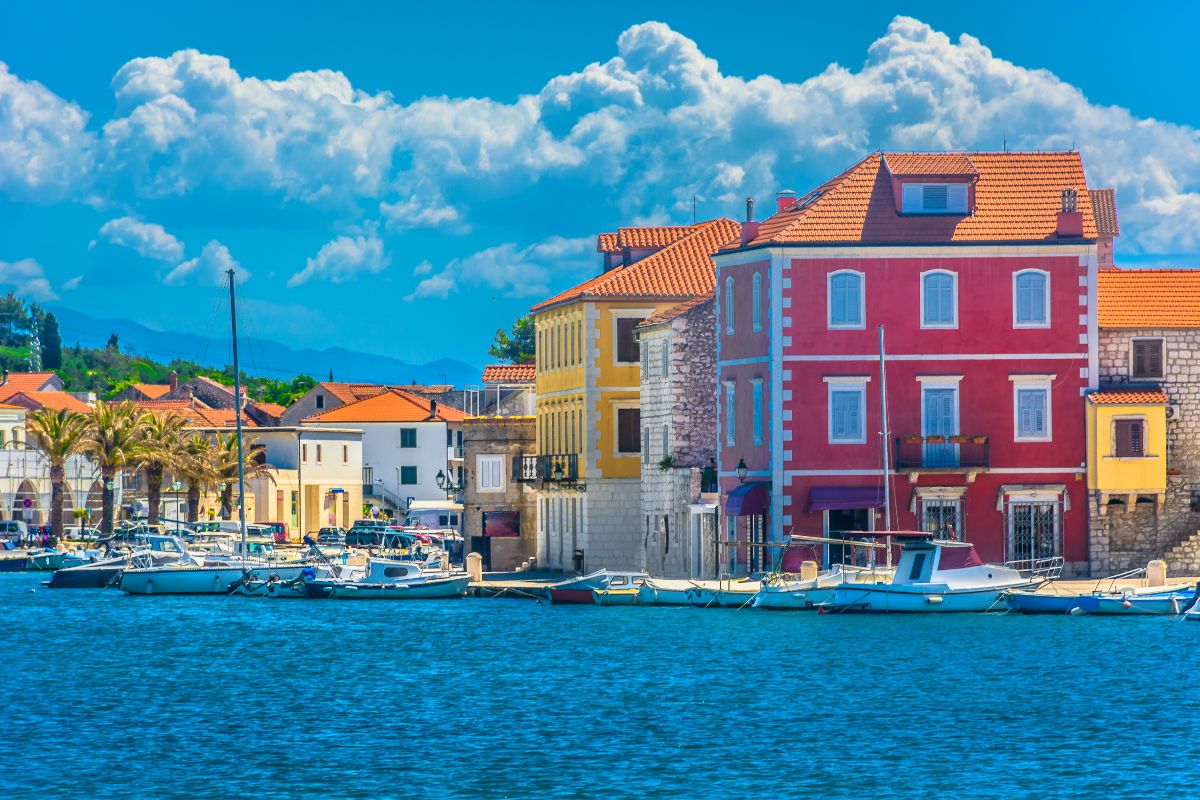
For a slower rhythm, Stari Grad reveals a side of Hvar that feels deeply rooted. Its streets still follow the layout drawn by Greek settlers more than 2,400 years ago, fishermen work along the harbour as they always have, and Tvrdalj Castle hides quiet courtyards once shaped by poet Petar Hektorović.

Just beyond town lies the UNESCO-protected Stari Grad Plain, an ancient agricultural landscape divided into the same parcels since classical times. It isn’t a museum, but a living landscape – and one of the most quietly powerful places on the island.

👉 Explore the full blog: Old Town Hvar Travel Guide

3. Beaches and Hidden Bays

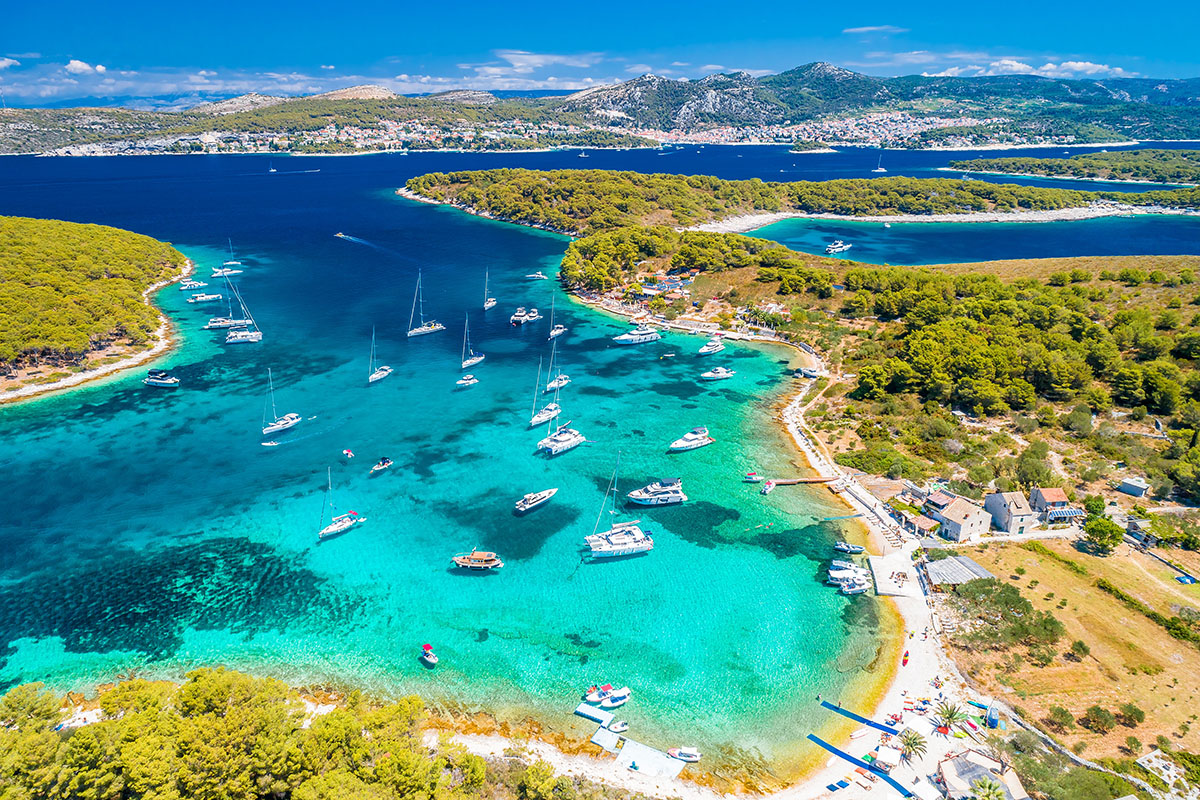
Hvar’s coastline is highly varied. Well-known beaches near the town attract daily visitors, while smaller coves and bays remain difficult to reach by land. Rocky shores and crystal-clear water dominate much of the island, making swimming and snorkeling highlights throughout the season.

Access often determines experience. Beaches reachable only by boat tend to remain quieter, especially in peak summer. Early arrivals and flexible timing also play a significant role in avoiding crowds, even in popular locations.

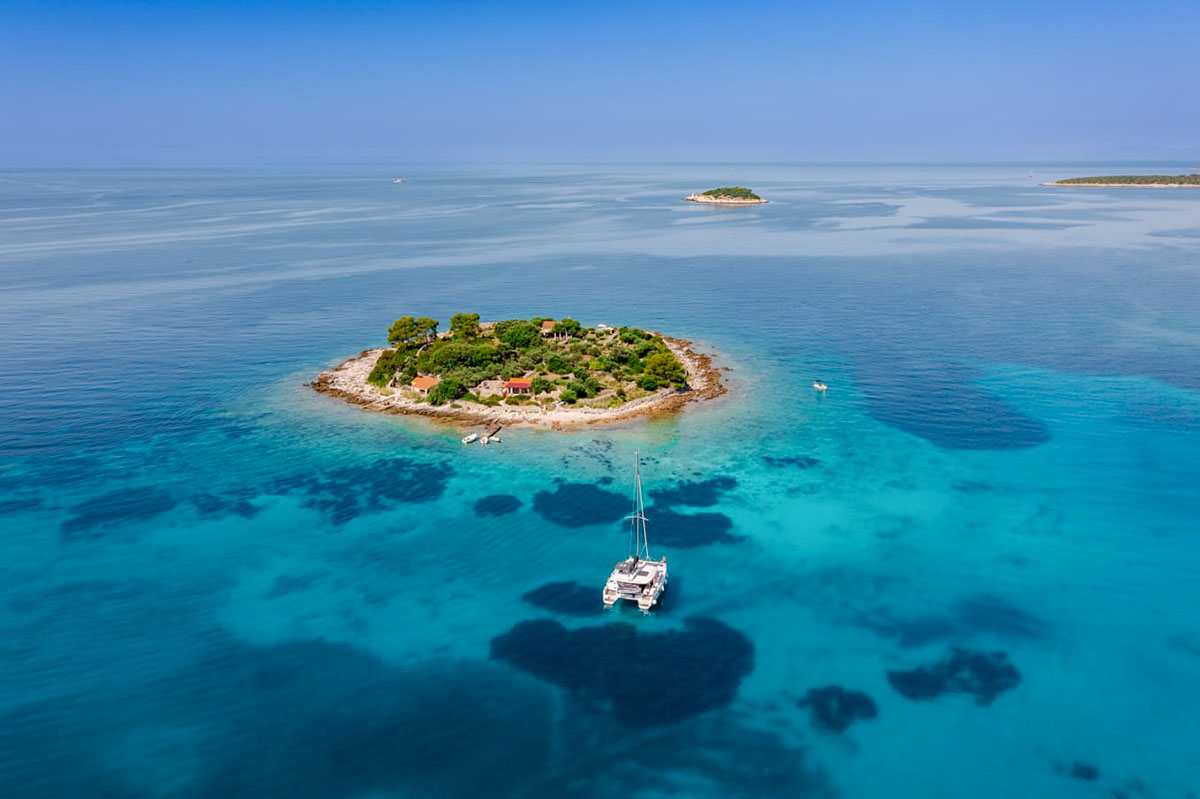
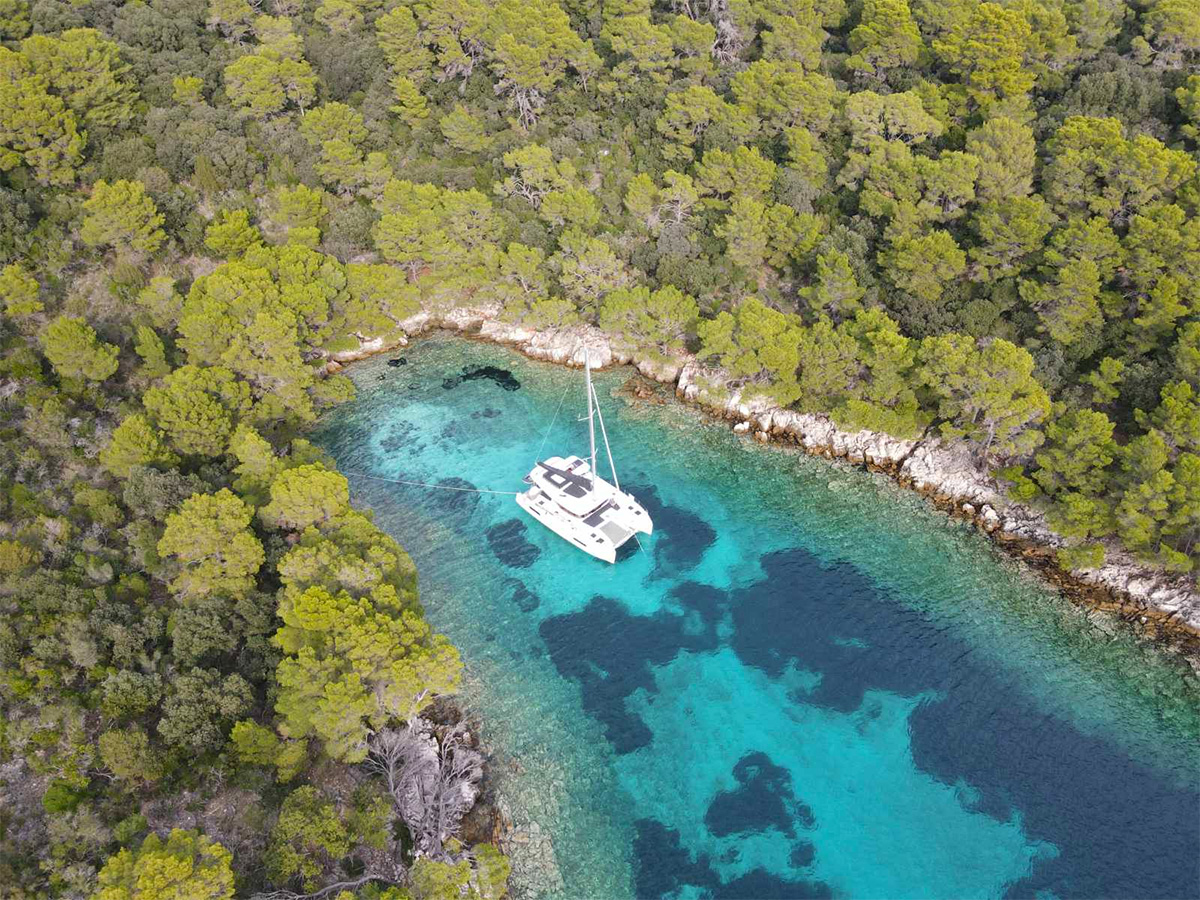
Once you leave the shore, Hvar begins to change. Sailing opens access to coves and islands unreachable by road, where the crowds thin out and the coastline reveals its softer, wilder side. Out here, plans adapt to the weather, the sea and the mood, not the clock.

👉 Read: What’s the Best Way to Visit Hvar? 

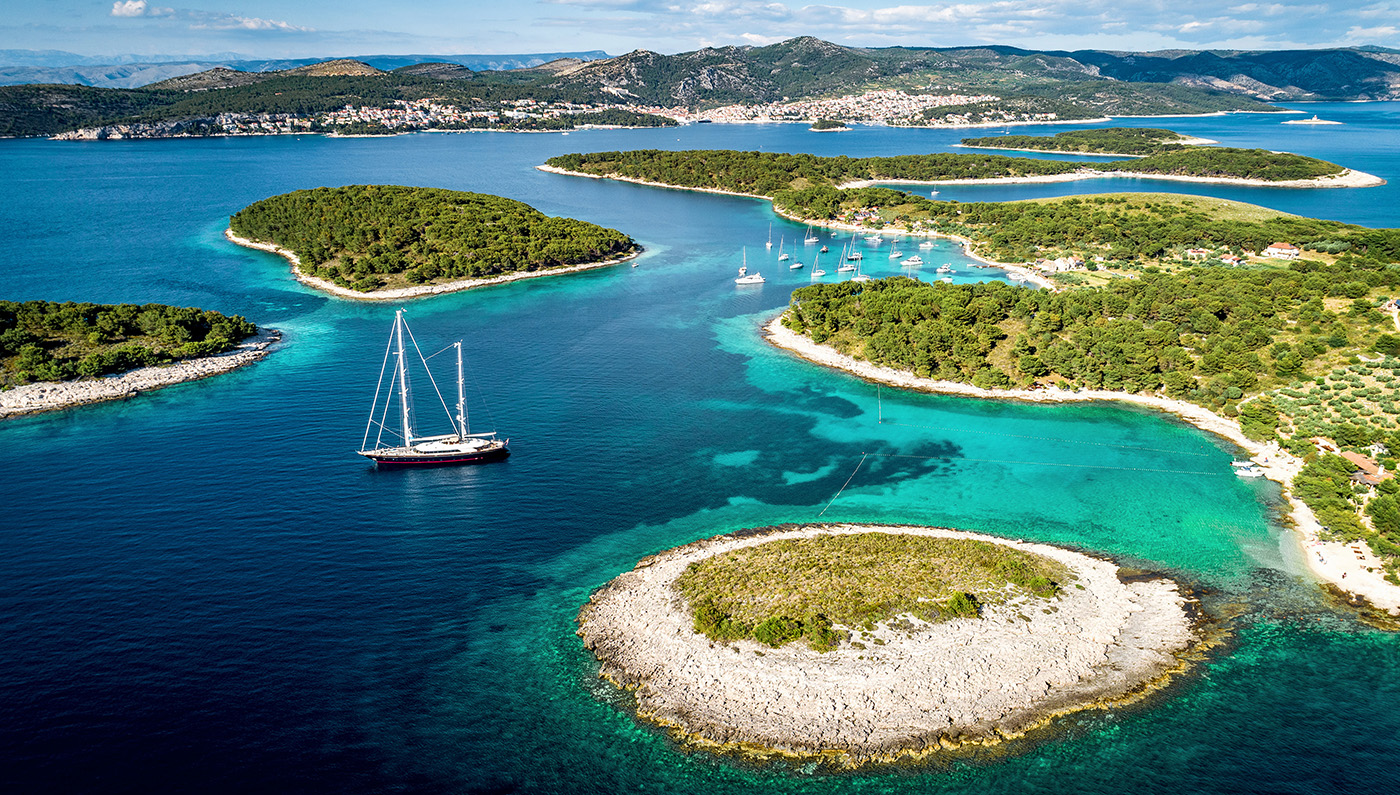
👉 Extra: Sailing Hvar’s Secrets: Jelsa, Paklinski Islands & Šćedro

Sailing Is the Most Meaningful Way to Experience Hvar

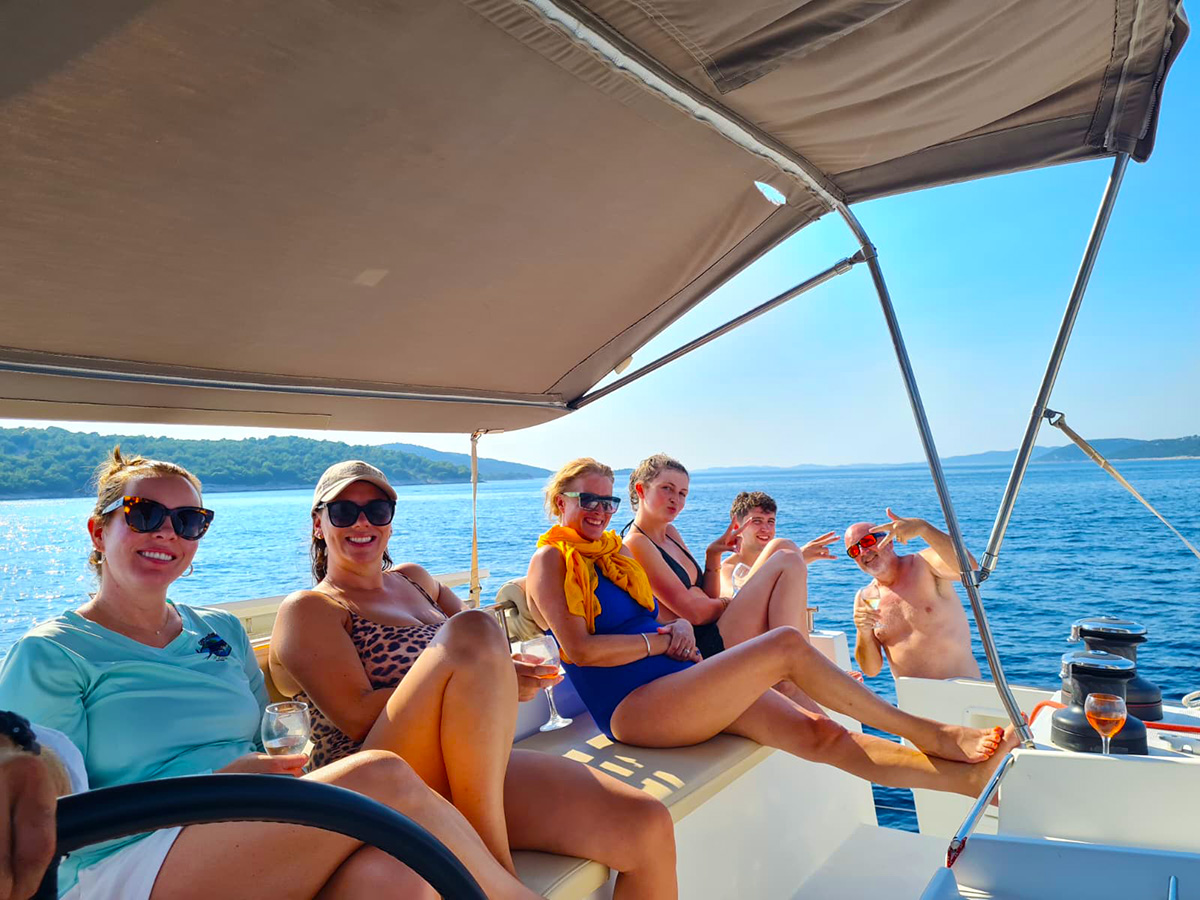
Sailing changes how the island unfolds. Instead of moving from place to place, days are shaped by weather, light and the sea itself.

Access without crowds
Many of Hvar’s most beautiful bays have no road access. Sailing opens up swim spots, anchorages and nearby islands that remain unreachable by land, especially during the busy summer months.

Time over distance
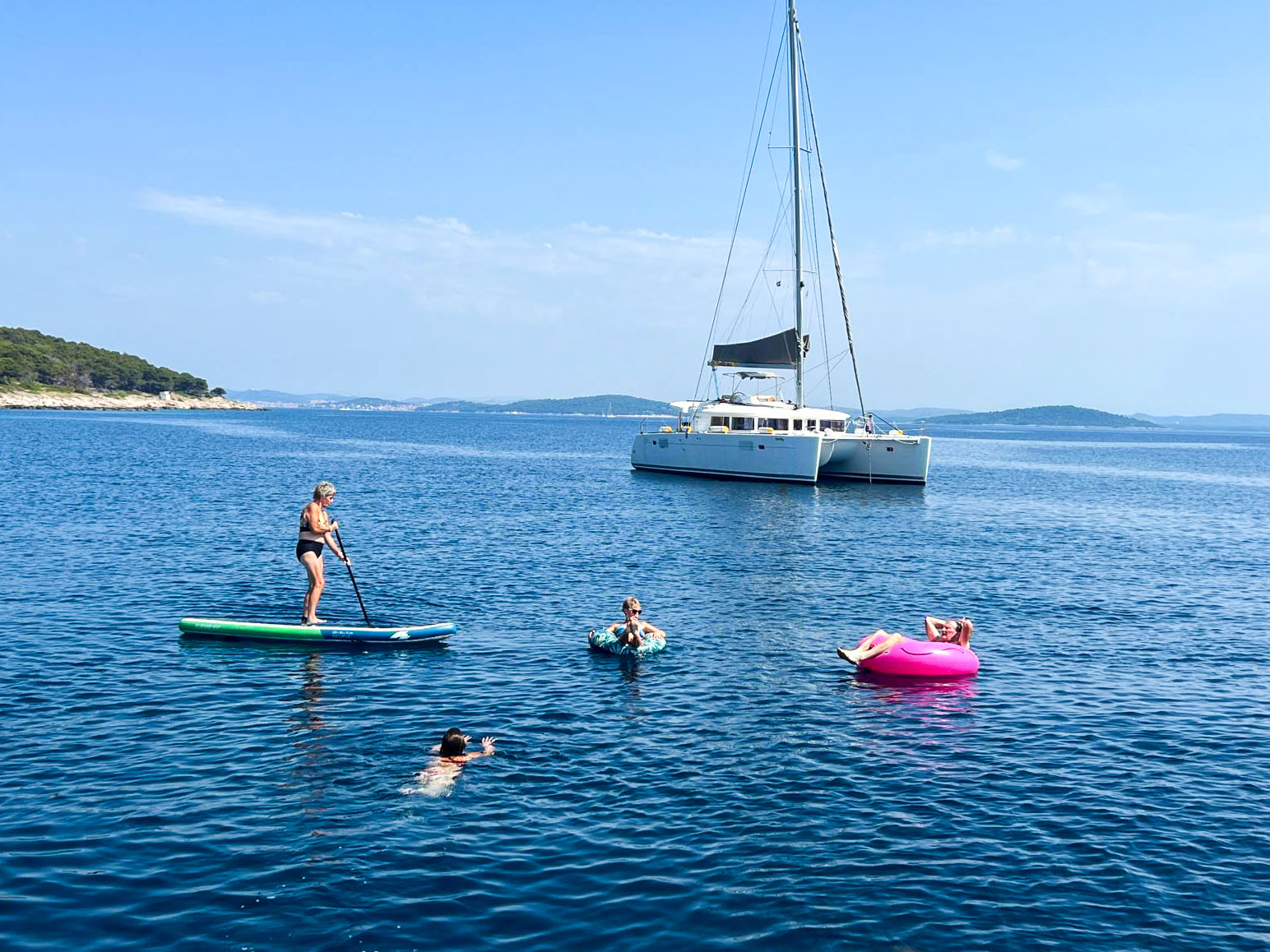
Distances around Hvar are short, yet the experience at sea feels unhurried. Mornings begin slowly, afternoons revolve around swimming and small stops, and evenings can take place away from busy harbours if desired.

Flexibility and rhythm
Without fixed schedules, sailing allows plans to adapt naturally. Routes change, stops extend or shorten, and decisions are made based on conditions rather than timetables.

For travelers who value simplicity and pace over covering ground, sailing often reveals the island at its most natural.

Our 7-day private Croatia sailing journey around Hvar is shaped around calm mornings, flexible routes, local food and days that move at your pace rather than following a strict schedule.

👉 See the itinerary:

Private Charter: 7-Day All-Inclusive Croatian Sailing Adventure (Routes From Split & Zadar/Šibenik)

Embark on a 7-day private sailing adventure through Central and North Dalmatia, Croatia. Explore the majestic Kornati and Krka National Parks, and discover the charm of Dugi Otok, Kornat, Zlarin, Kaprije, Murter, and more.
From€1,449
0
View Details

Practical Tips for visiting Hvar

Best Time to Visit Hvar

Late May, June, September and early October offer the best balance. The sea is warm, most places are open, and the island feels lively without becoming overwhelming. July and August bring long summer days and events, but also larger crowds, higher prices and limited availability.

How Many Days to Spend on Hvar

Hvar Town can be explored in two days. To experience the island beyond the town, four to six days allow time for villages, beaches and a slower pace. Adding time at sea can change the experience considerably.

Getting Around Hvar Island

Scooters and small cars are the most practical options for inland exploration. Roads are scenic but narrow, and parking can be limited in peak season. Boats provide the greatest flexibility for reaching bays and nearby islands without road access.

Budget and Costs

Hvar is generally more expensive than many other Croatian islands, particularly in high summer. Accommodation and dining prices peak in July and August, while the shoulder season offers noticeably better value. Costs vary significantly depending on location and travel style, with quieter areas and time spent at sea often providing a more balanced experience.

Crowds on Hvar: What to Expect

Hvar’s reputation for crowds is not incorrect, but it is incomplete. Outside peak hours, beyond central areas and outside the high summer months, the island reveals a far calmer character.

Before you go

Hvar has many faces. Historic towns, inland villages, quiet coves and open sea coexist within a relatively small space. How the island is explored matters as much as where one goes.

Rather than following a strict itinerary, the most rewarding Hvar experiences often come from slowing down, staying flexible and allowing time for discovery.

This guide offers a starting point. How you choose to explore is what shapes your experience.


Read more of our articles

We are using cookies to give you the best experience. You can find out more about which cookies we are using or switch them off in privacy settings.
AcceptPrivacy Settings

GDPR

  • Google Analytics
  • Privacy Policy

Google Analytics

We use cookies, including those from Google Analytics, to analyze site traffic and improve your experience. Your data is used to understand how our website is used, helping us enhance our services.

Privacy Policy

This website uses cookies to enhance your browsing experience, analyze site traffic, and improve our services. By continuing to use our site, you consent to our use of cookies in accordance with our Privacy Policy. You can manage your preferences at any time.

Proceed Booking